

Image: Lusaka Contemporary Art Centre
Southnord Residency Programme Webinars 2026
We are thrilled to announce the second open call for Southnord Residency Programme at LuCAC in Lusaka, Zambia. This is a unique opportunity for Black visual artists and curators in the Nordics to spend time with their practices, while immersed in a contemporary African art context.
Our long-term ambition is to develop relationships with multiple partners all across the continent and expand our offering from one residency spot to several, as and when funding permits. This year, we will be hosting a series of webinars to help applicants with their materials and inform our community of other residency opportunities.
The first webinar on 16 February will feature a presentation from last year’s winner of the open call, Max Diallo Jakobsen.
The second on 23 February will hear from other residency spaces with connections to the continent. These spaces include:
Get To Know The Spaces
-
T-Wabisato
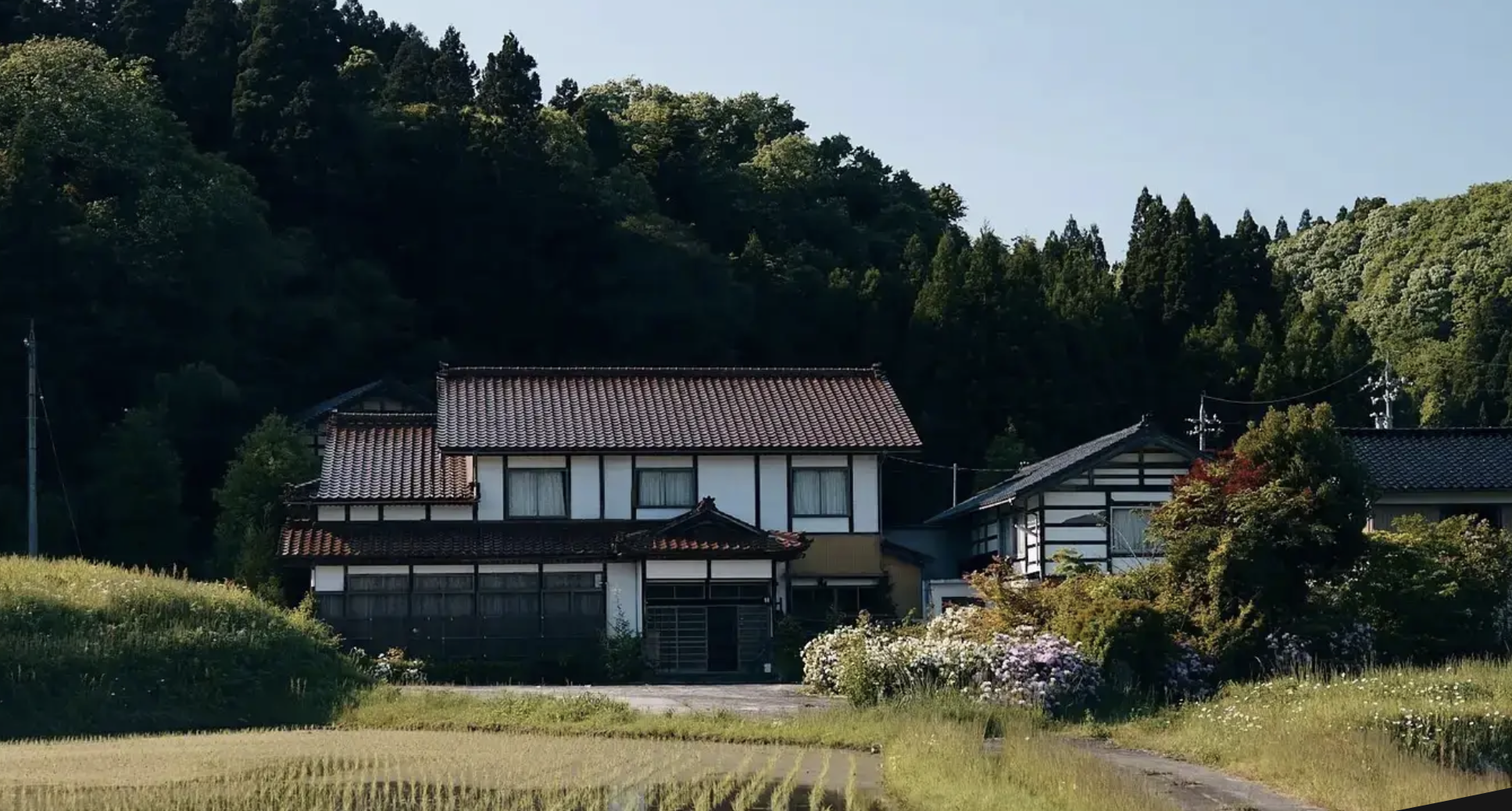
T-Wabisato is located in the Noto Peninsula, Japan. Here creativity, culture, and community intersect, blurring boundaries between disciplines and traditions, and fostering meaningful exchange between local and global voices. It’s where Japan, Ghana and Norway (or the rest of the world) fuse into one rhythm — a living lab for cultural experimentation, collaboration and renewal. They offer a sanctuary for recalibration where artistry, craft, and culinary heritage meet in dialogue. Rooted in Noto, this space nurtures encounters that dissolve borders and ignite cultural resonance. In short T–Wabisato brings together artists, chefs, and thinkers to create, collaborate, and connect across cultures. It’s a space for making, sharing, and shaping new traditions from the local outwards.
-
Nubuke Foundation
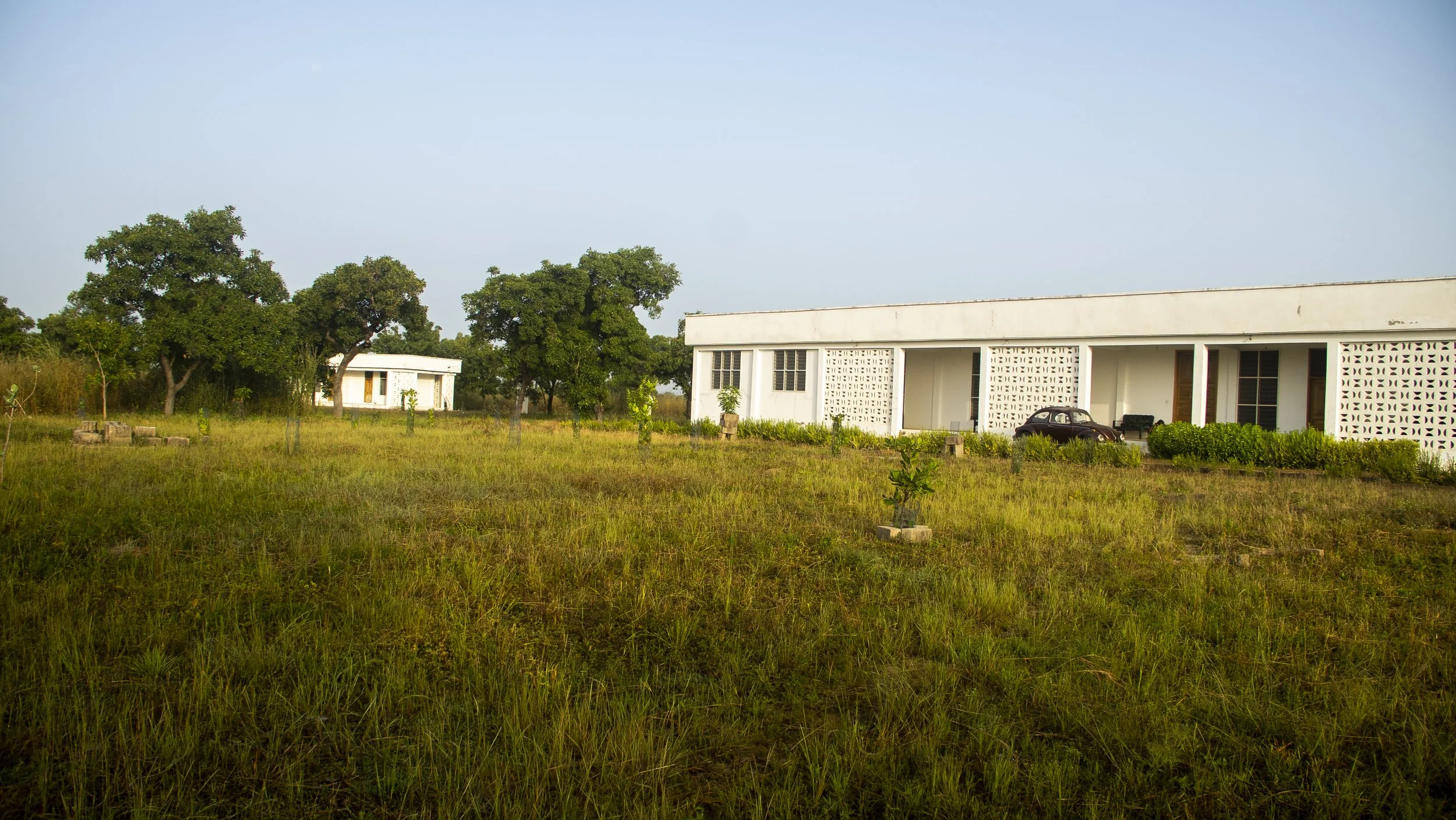
Nubuke Foundation’s artist residency programme is hosted at the Nubuke Foundation’s Centre for Textiles and Clay in the Upper West Region of Ghana. The residency is self-directed and designed to provide focused time and space for artistic research, production, and exchange, grounded in place-based knowledge and material practice. Situated within a community where weaving is widely practiced, the Centre for Textiles and Clay places particular emphasis on textile, fiber, and clay-based practices, drawing from the region’s long-standing strip-weaving traditions and artisanal expertise. While especially suited to material-led practices, the residency is not limited to them and actively welcomes other interdisciplinary and experimental approaches. Residents are encouraged to engage with local artisans, material cultures, and community contexts, situating their work within broader historical, social, and global frameworks.
-

Lusaka Contemporary Art Centre (LuCAC)
LuCAC is a private non-profit facility dedicated to artistic research, exhibition and resource sharing. As a hub for decolonisation, LuCAC encourages formal and informal artistic research and experimentation to challenge dominant narratives and interrogate common stories and histories. This mission aims to influence the trajectory of equitable and self-aware human development. It facilitates and promotes knowledge production relevant to artistic development in Zambia and beyond, acknowledging the hybridity resulting from migration, immigration, and globalisation. As an artist-driven project space and cultural repository, LuCAC increases the visibility of Zambian Contemporary art through radical knowledge production and creative experimentation. The center features a gallery with rotating exhibitions, a studio for artistic collaboration, a library for research, and art residency facilities for national and international artists. By fostering a community that challenges dominant narratives, LuCAC promotes self-aware human development and empowers the growth of Zambian Contemporary art. Through its programmes and facilities, LuCAC serves as a vibrant platform for artistic innovation and cultural exchange.