
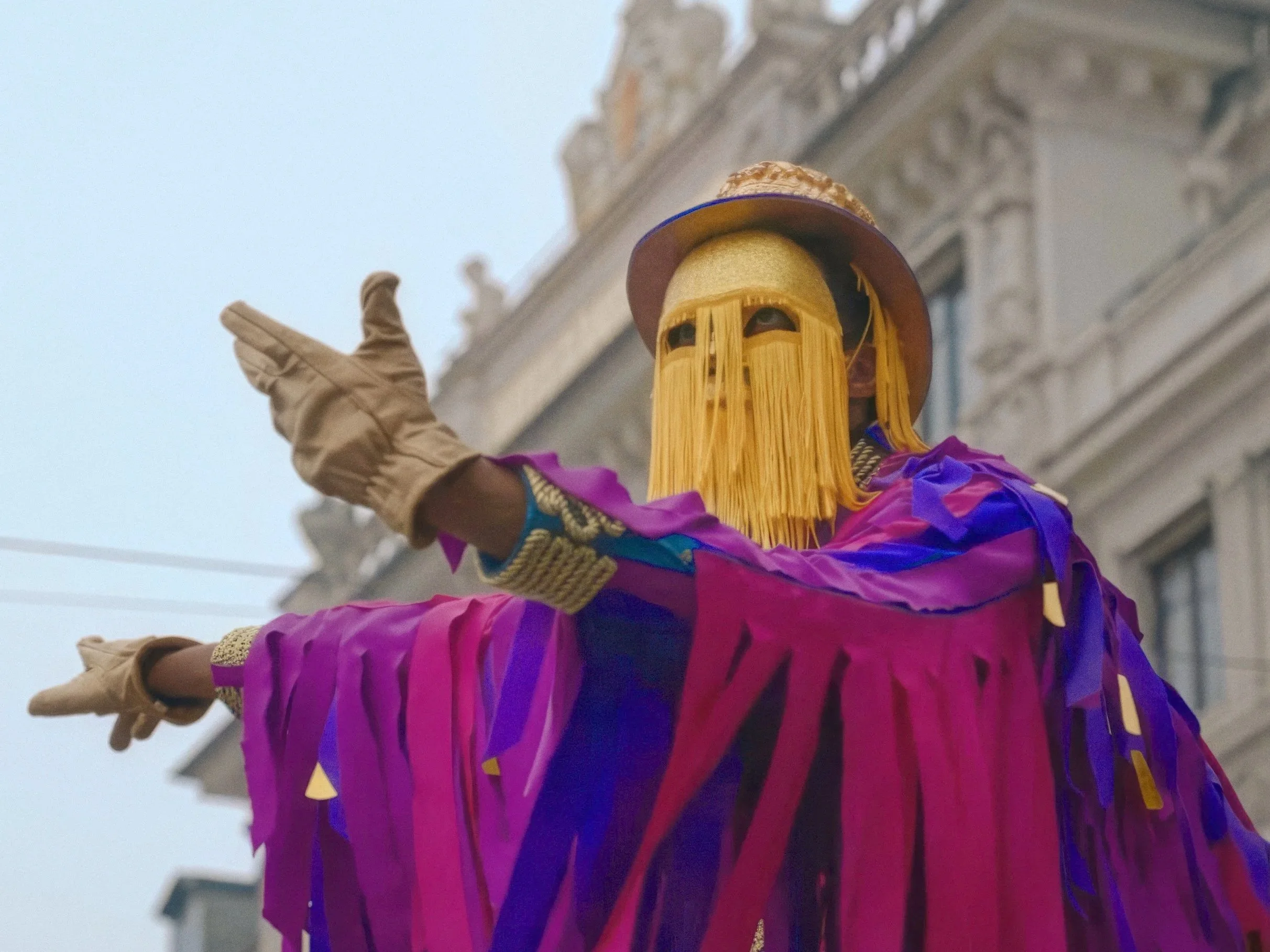
Image: Moko is Future (2020). Video still (cropped) courtesy of Jeannette Ehlers. Cinematography by Christian Brems and Mads Hopp
The Other Side of The Mountain
The Other Side of the Mountain, the headline exhibition of Southnord Artfest2026, opens Amos Rex in Helsinki this October. The exhibition centres black perspectives on distances and proximities. It features paintings, sculptures, photography, installation, textile and videoworks by 11 remarkable artists: Adji Dieye, Akinbode Akinbiyi, Emeka Ogboh, Ibrahim Mahama,Igshaan Adams, Jeannette Ehlers, Karl Ohiri, Liisa-Irmelen Liwata, LoulouCherinet, Lungiswa Gqunta and Sandra Mujinga.
Co-curated by Marcia Harvey Isaksson (Southnord) and Katariina Timonen (Amos Rex), the exhibition focuses on mapping transforming landscapes, urban and otherwise,through other ways of knowing and being. The journey through the exhibition invites usto observe cities as organisms and landscapes as state design, tracing routes thatstretch across past, present and future. The artworks can be seen as time travellingvessels, through which parallel chronologies and intertwining realities are made visible. The title also names the Artfest as a whole, a shared frame for a season of work about distances and proximities, and the routes between them.
Date: 13 October 2026 - 21 March 2027
Venue:
Amos Rex
Mannerheimintie 22–24
00100 Helsinki, Finland

-
Adji Dieye (b. 1991, Italy/Senegal) is a visual artist working between Dakar, Milan and Zurich. Her practice asks how identity and representation get constructed, and by whom. Photography is at the centre of it, used as both medium and method to question the ”knowledge” we inherit and the ways othering plays out across Western and non-Western contexts. Adji Dieye is interested in post-colonial nation building, examining how language and the urban landscape function in the writing of history. We look forward to her two-channel video installation Aphasia at The Other Side of the Mountain
-
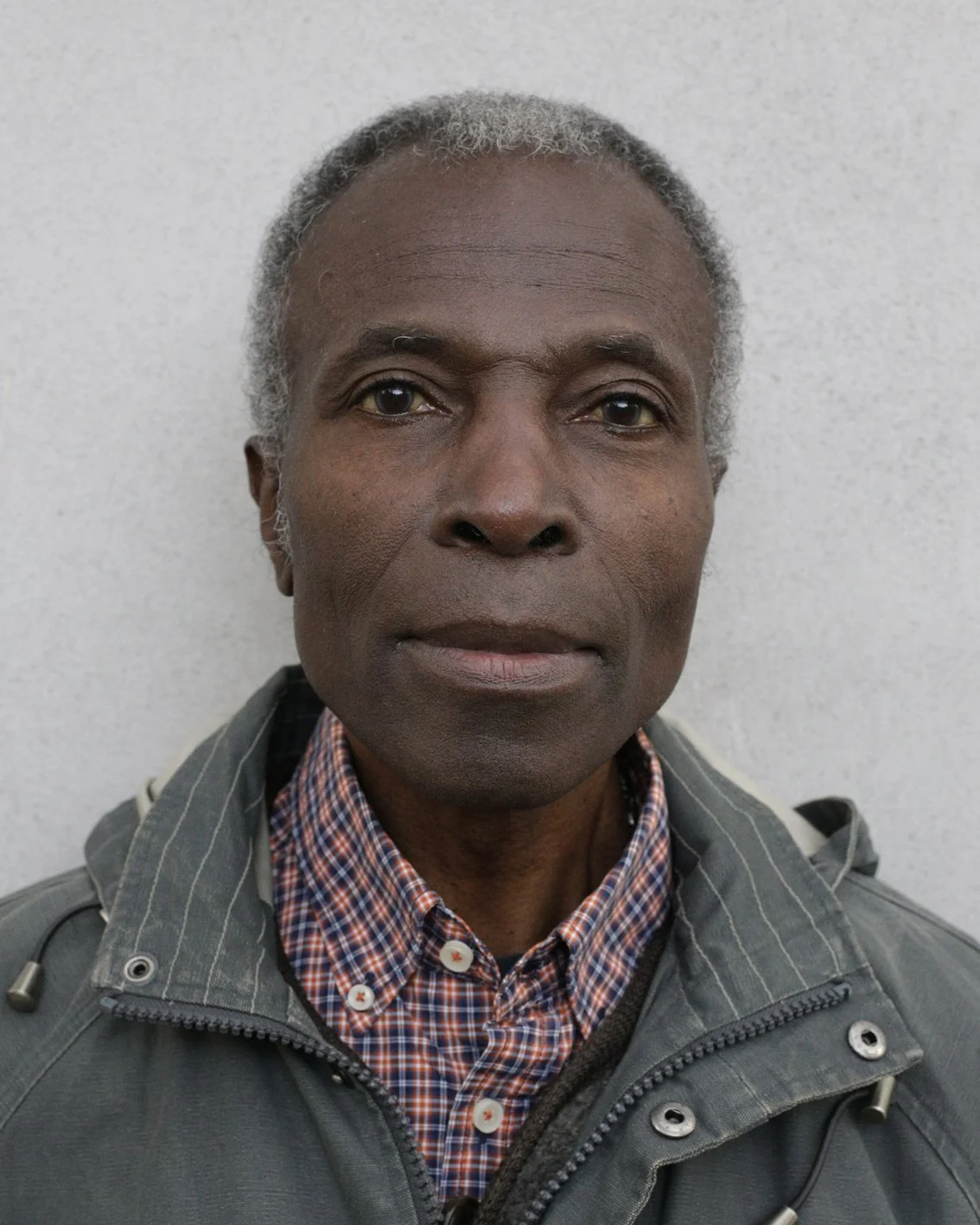
Berlin-based, British-born Nigerian artist Akinbode Akinbiyi’s primary photographic focus is sprawling megacities – slowly wandering and meandering the highways and byways in an attempt to understand and deeply engage with the modern metropolis. For over five decades Akinbode has been photographing major African cities like Lagos, Cairo, Kinshasa, Johannesburg, Khartoum, Addis Ababa, Dakar and Bamako. With his analogue Rolleiflex camera, he lets the many layers of the cities reveal themselves, capturing the unspectacular gestures, encounters and atmospheres through which everyday life unfolds. Join us at The Other Side of the Mountain to journey from West to Southern Africa through his lens in a large-scale photography installation.
-
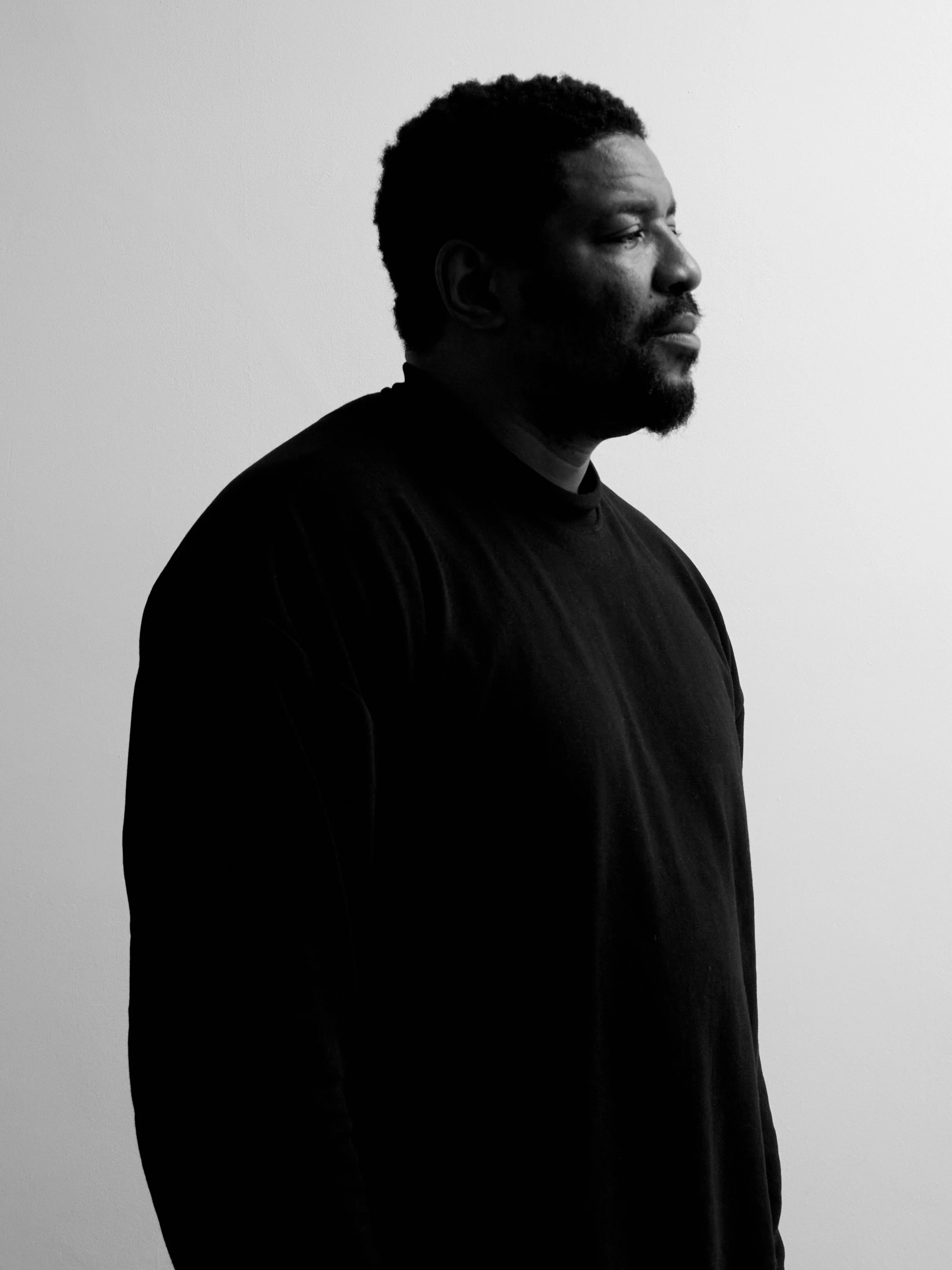
If you caught the travelling Danfo bus tour from Berlin to Copenhagen to Stockholm to Helsinki this summer, you’ve already had a taste of Emeka Ogboh’s work. Based between Berlin and Lagos, he interrogates places through multisensory installations. Exploring migration as an exchange between people and place, his installations oscillate between what is deemed to be foreign and what is recognised as home, inviting the audience into this liminal space. Many of his works are grounded in dialogue, whether between people, the ingredients of gin, or even between cities. Discover his installation dubbed Transmissions in the exhibition at Amos Rex.
-
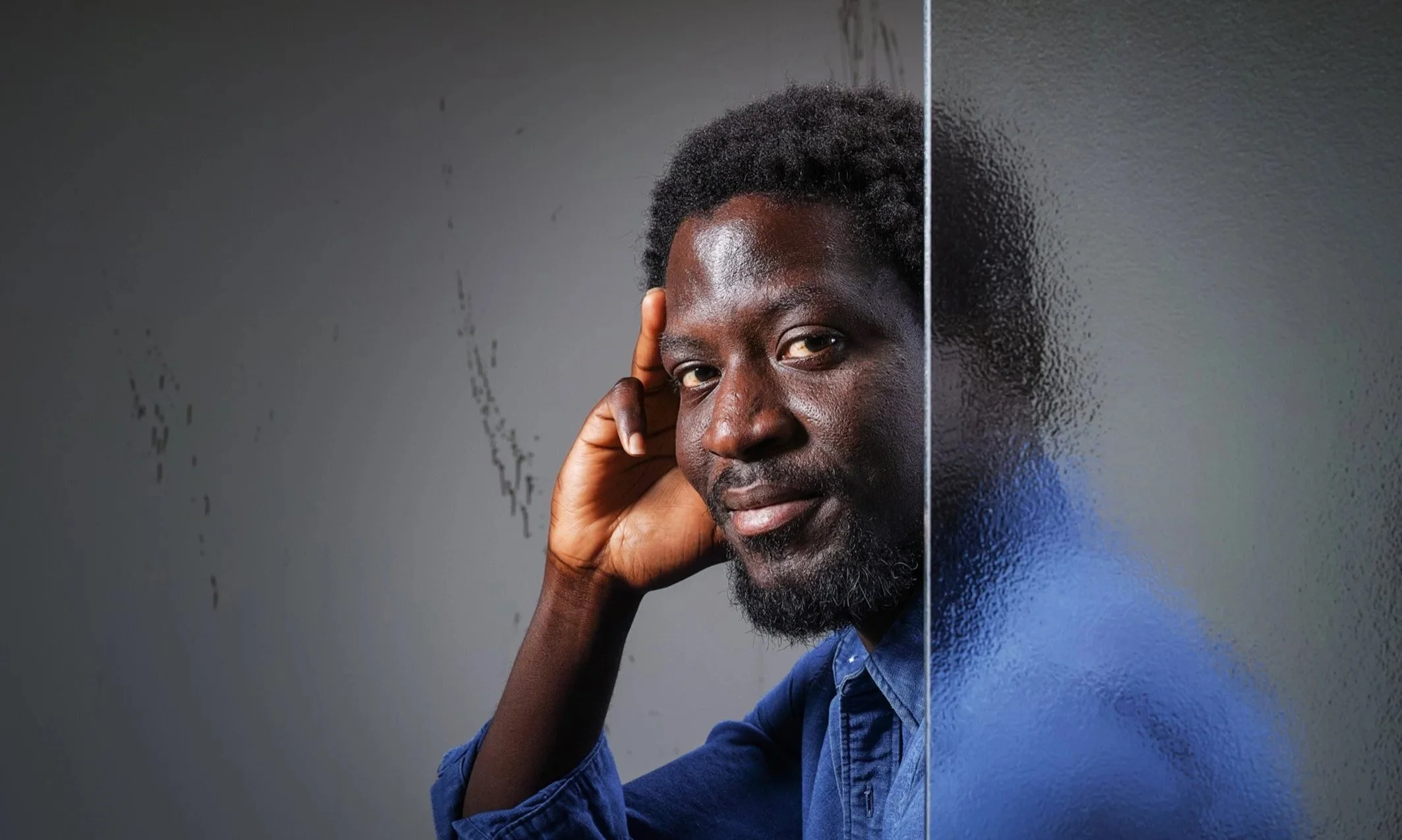
Ghanaian artist Ibrahim Mahama, based in Tamale, is known for his large-scale artworks made with materials like old jute sacks, salvaged architectural elements, furniture and paper documents gathered from Ghana’s landscapes, factories and waste sites. He brings attention to how these materials reference capitalist structures, extractive systems, global transactions, labour and the migration of peoples and goods. Alongside his practice he has opened three art institutions in northern Ghana: Savannah Centre for Contemporary Art (2019), Red Clay Studio (2020) and Nkrumah Volini (2021).
-
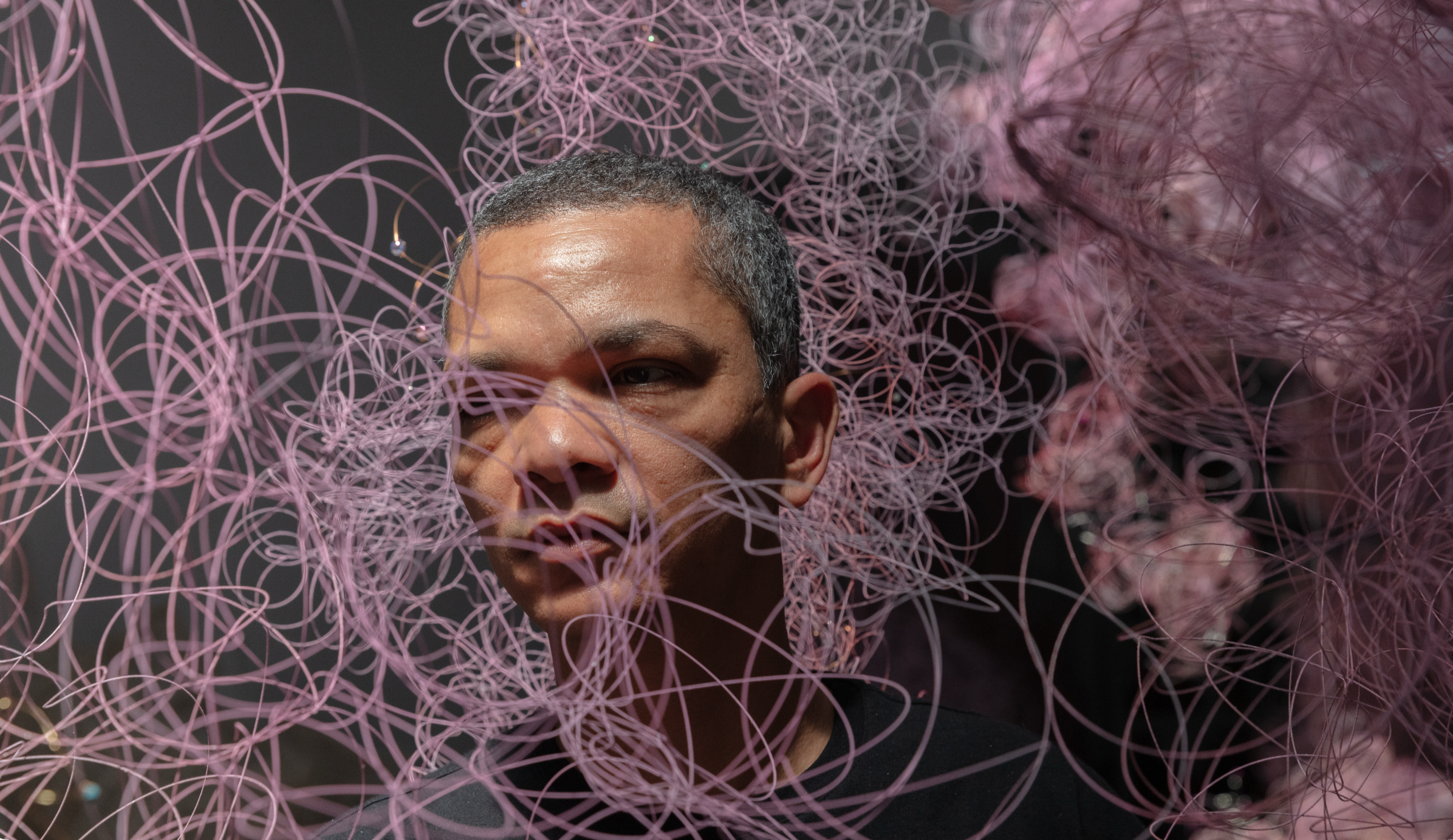
Capetonian artist Igshaan Adams (b. 1982) builds work that questions where racial, sexual and religious boundaries get drawn, and who decides. He often incorporates desire lines in his installations, these being the paths that pedestrians take intuitively rather than following planned routes. For Igshaan, desire lines are human traces in a terrain that represent both freedom and transgression. While growing up in a segregated community in apartheid South Africa, he noticed these lines formed by walking that connected nearby communities the government wanted to forcibly separate. The sculptural clouds of dust in his work, made from twisted wire, rope and beads, are reminiscent of the dust kicked up during community dances he experienced during his childhood.
-
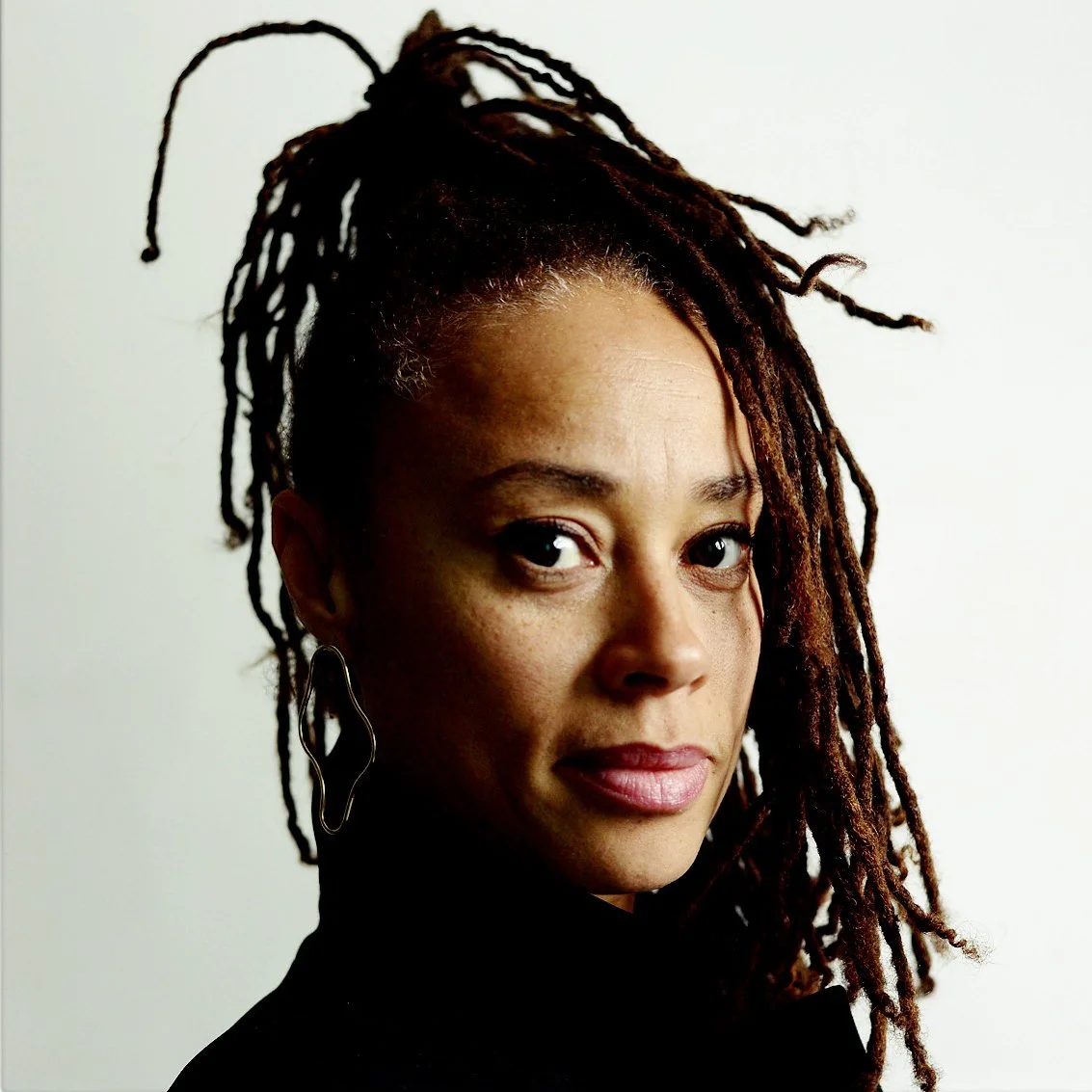
Jeannette Ehlers (b. 1973) is a Trinidadian-Danish artist based in Copenhagen, working across photography, video, installation, sculpture and performance. Her work brings about decolonial hauntings and disruptions, insisting on the possibility for empowerment and healing while honouring legacies of resistance in the African diaspora. Her bright pink neon sign Until the Lion, which paraphrases a well-known African proverb, and the mythical figure Moko Jumbie from her video installation Moko is Future have been at the forefront of our conversation about The Other Side of the Mountain. Jeannette has participated in numerous international group shows including Threshold is a Prism during Artfest 2023.
-
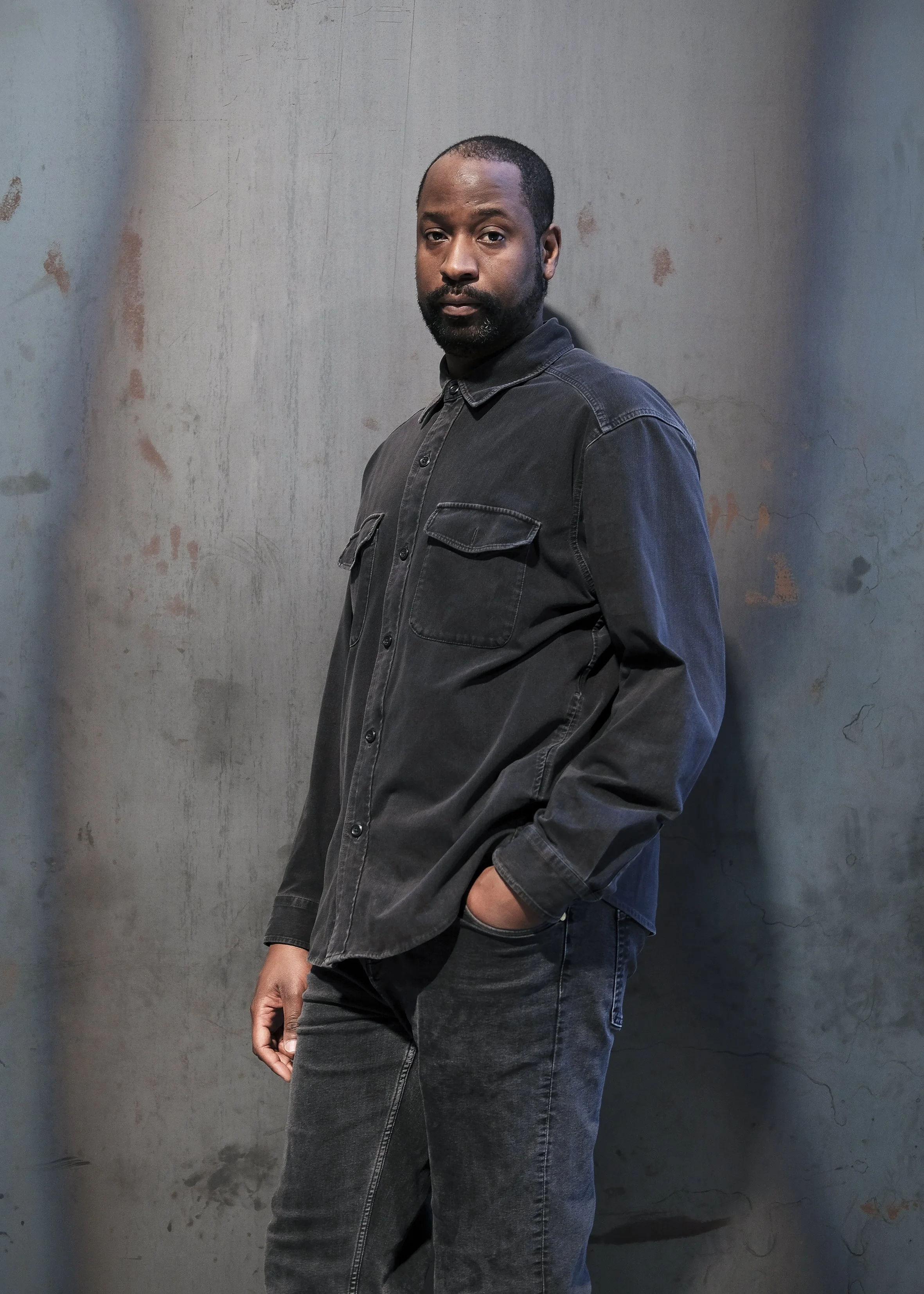
Karl Ohiri (b. 1983) is a British-Nigerian visual artist based in Helsinki. His conceptually driven practice focuses on the human condition and lived experience, drawing on personal narratives, observations and social encounters to explore identity, belonging, social issues and cultural heritage. He works across photography, text, moving image and everyday objects. Alongside his practice, Karl is the initiator and co-guardian of the Lagos Studio Archives, a preservation project for the negatives of a generation of Nigerian film photographers whose work was endangered by the shift from analogue to digital.
-
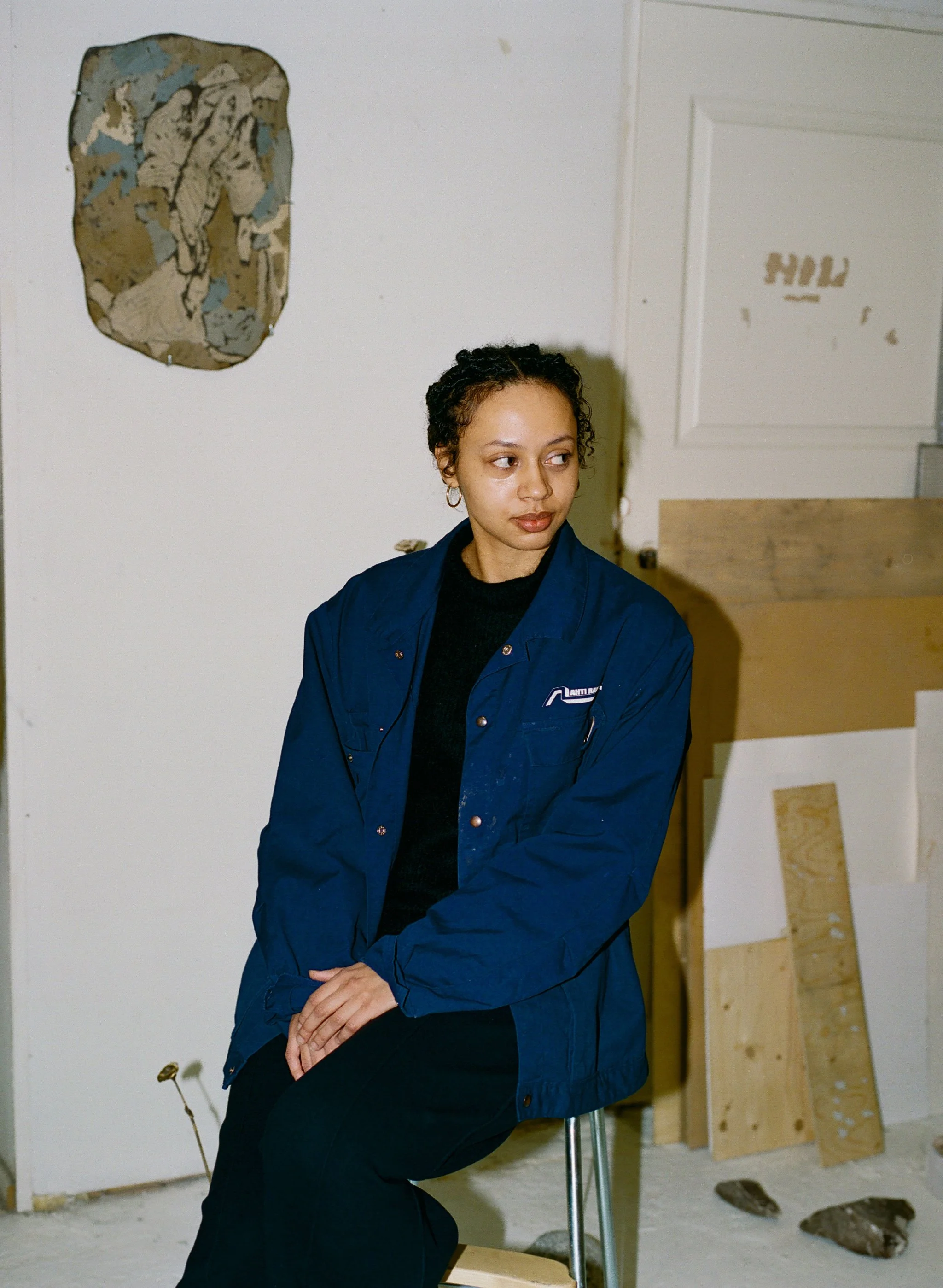
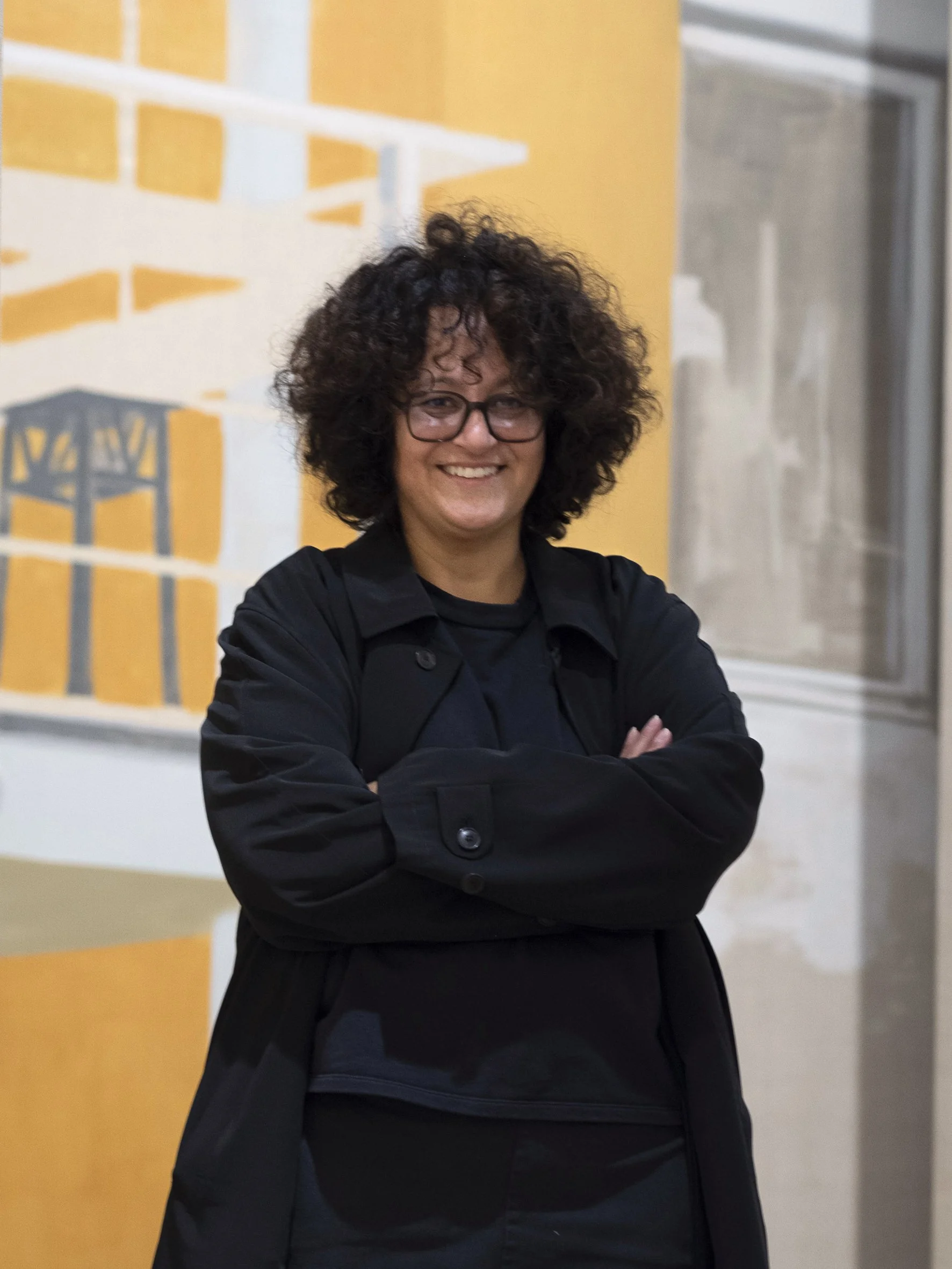
Finnish-Congolese artist Liisa-Irmelen Liwata (b. 1998) is based in Helsinki. She works with sculpture, installation, writing and video to discuss one’s relationship with the land from a nationalistic and geographical perspective, as well as how the landscape has been used in the construction of national identities. Across her work, there is a lyricism between body, land and language. A selection of her works, drawing on the constellations that have long guided navigation and mark the South and North celestial poles, will show at Amos Rex this October.
-
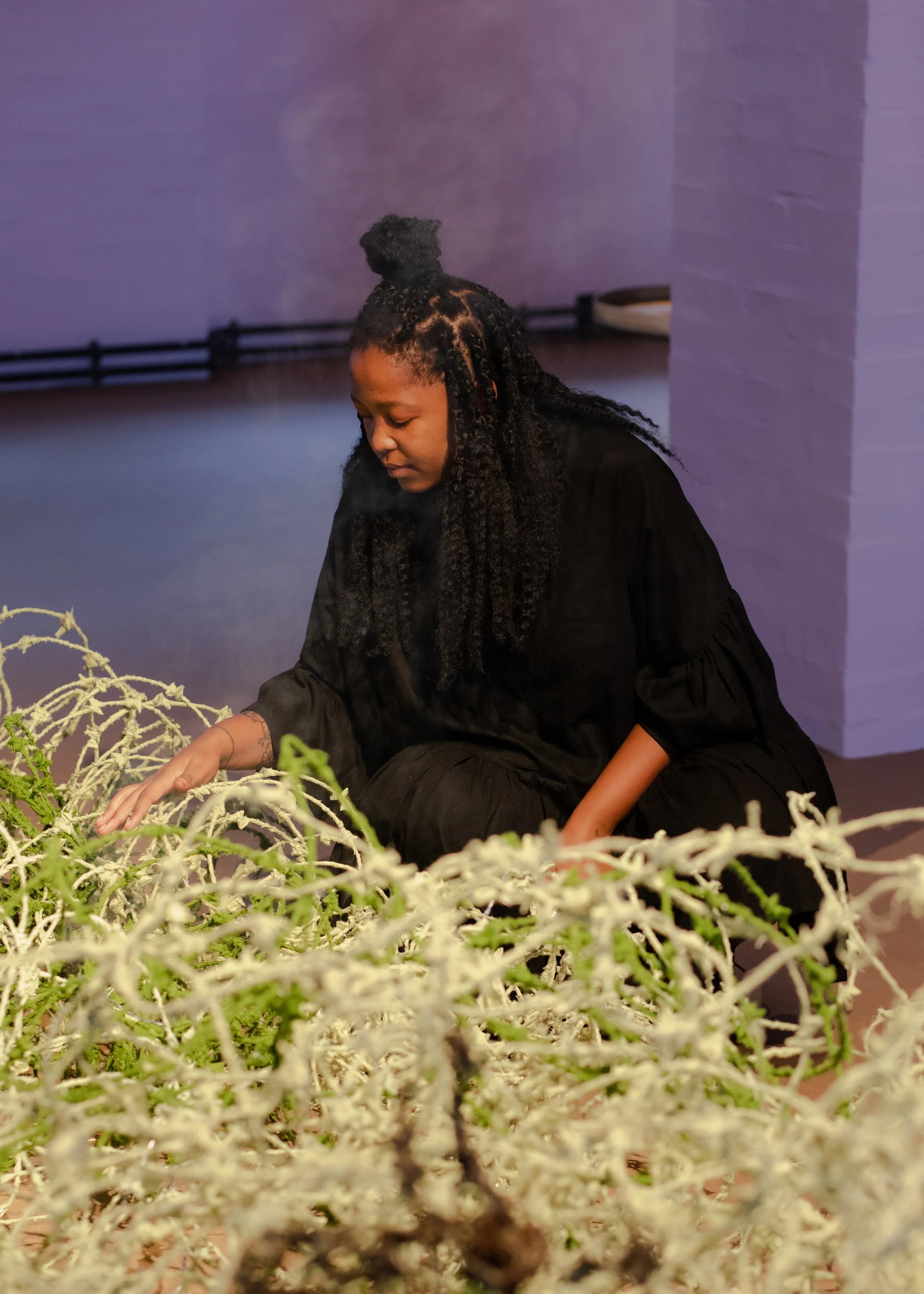
Swedish-Ethiopian artist Louliu Cherinet (b. 1970) moves between Stockholm and Addis Ababa. She works with photography, video, painting and large-scale installations, investigating how politics manifests and expresses itself in our physical environment and in our bodies. She questions how state design and perfectly planned areas in the Nordics, where nature has been co-opted into the labour market, can risk more existential needs being overlooked, pondering the
relationships between care and violence, planning and improvisation, nationhood and identity. For The Other Side of the Mountain, Loulou presents a painted installation which explores two newly built areas in Helsinki.
-
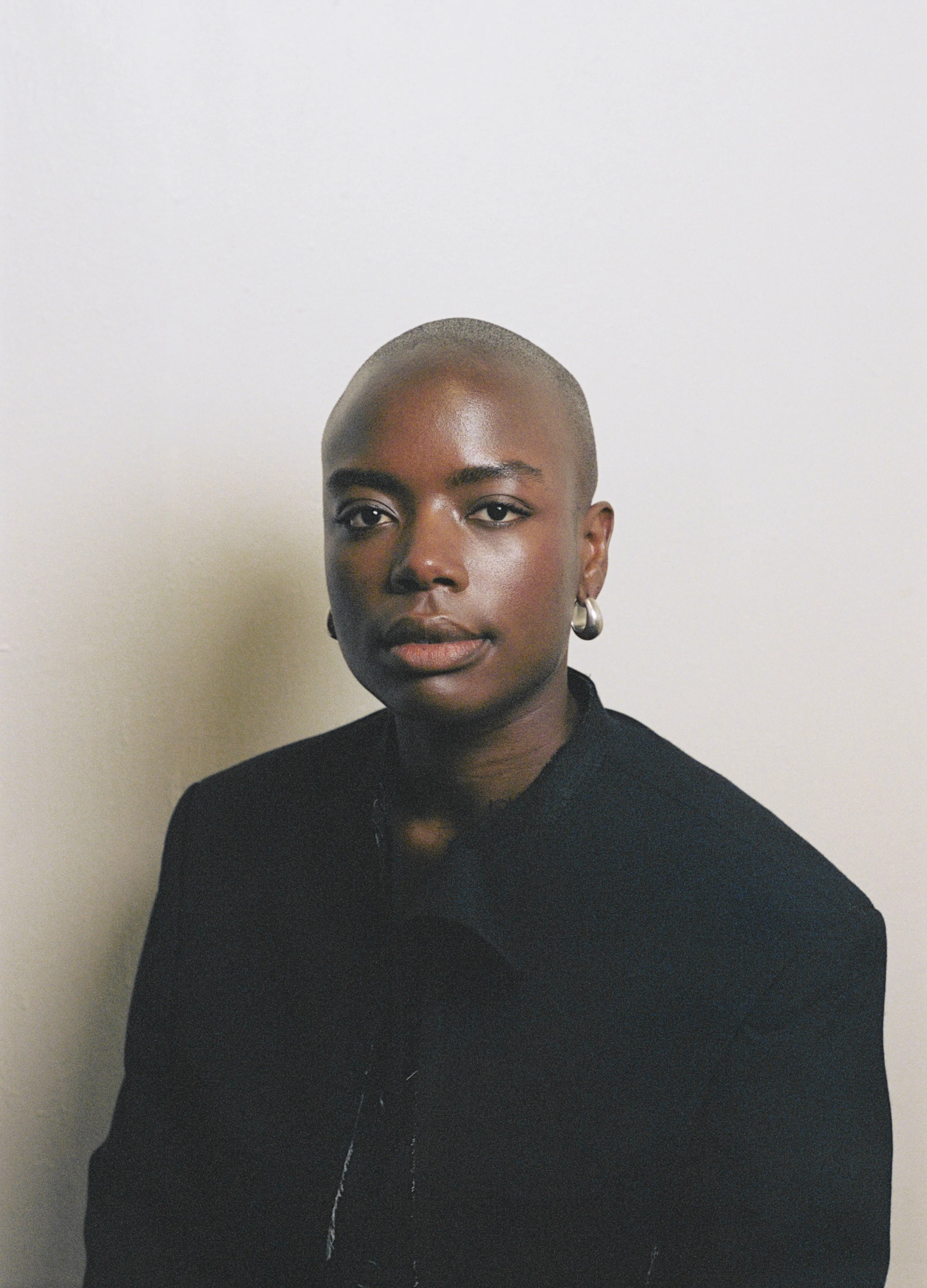
Lungiswa Gqunta (b. 1990) makes work about land: who owns it, who is excluded from it, and what colonial and apartheid violence has done to it. The Cape Town-based artist works across installation, sculpture, performance and print. Her work articulates strategies of resistance against colonialism, dispossession and erasure, addressing land use, patriarchy and the legacies of imperial violence in South Africa. Her practice calls for revisiting African and Indigenous knowledge systems and reimagining land as a site of resistance, memory and transformation. For The Other Side of the Mountain, Lungiswa presents sculptures that consider the mountain as a witness, an enduring body that has seen the many changes in the landscape.
-
Sandra Mujinga (b. 1989) is a Norwegian-Congolese artist based in Oslo. She uses her spectral figures to investigate strategies of how bodies can hide in plain sight, become invisible or control their invisibility. These speculative bodies camouflage themselves into the surrounding space, prompting thoughts about surveillance and representational politics. In her installation Skin to Skin, 55 textile-clad sculptures stand in a forest-like landscape of green light and sound, their survival strategies.