
Afro-Nordic Literary Festival
A weekend celebration of Afrodiasporic voices in literature, bringing together poets, authors and researchers from across the Nordic countries for readings, dialogues and exchanges with the Helsinki public.
Over two days, Oodi becomes a gathering place for writers who share an African heritage and a Nordic context, and who use literature to examine what it means to live between cultures, languages and histories. The programme moves across keynote readings, cross-Nordic dialogues, spoken word performances, critical conversations and children's story times — held together by a single conviction that Afrodiasporic literary voices in the Nordic region are not a niche but a centre.
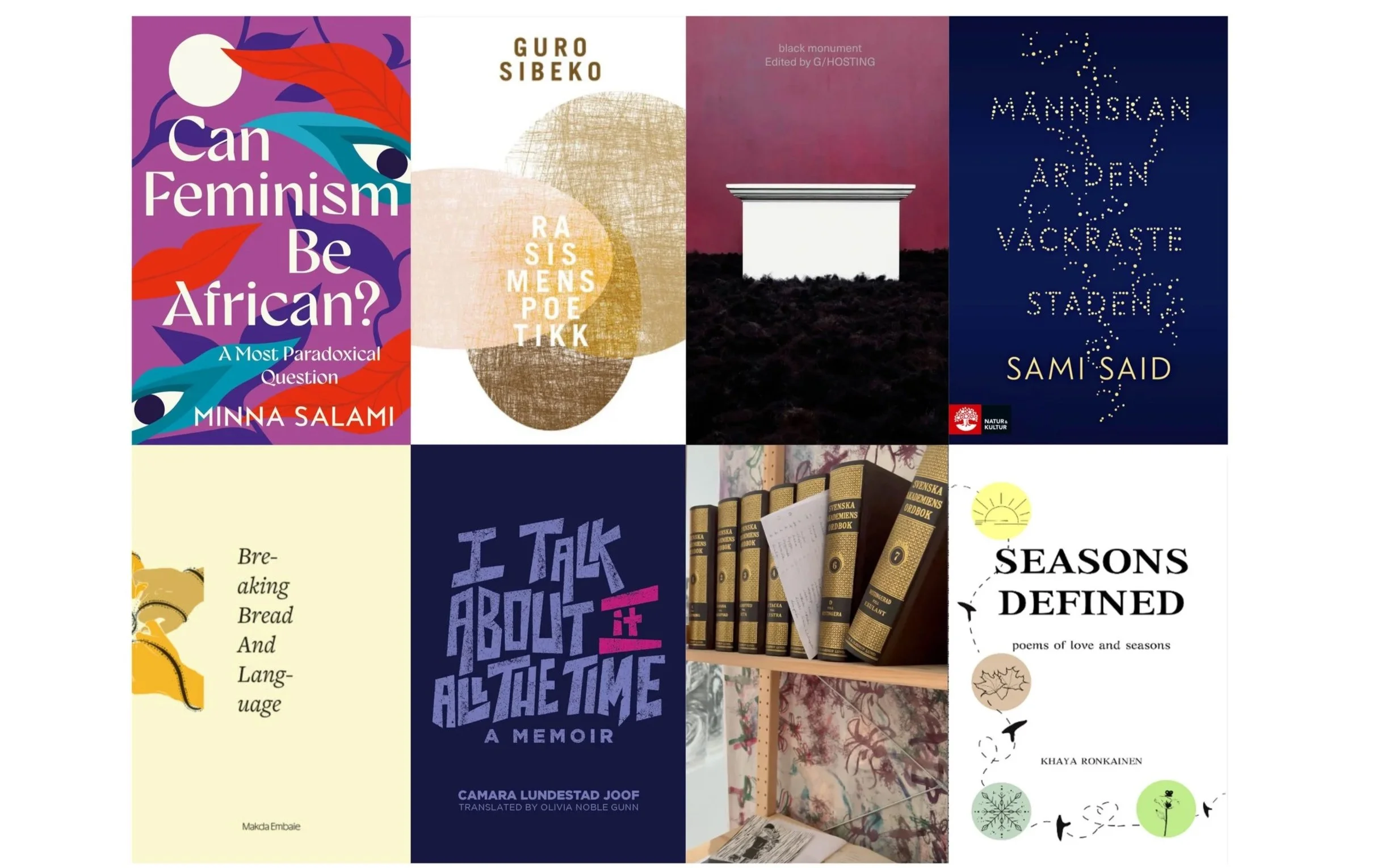
Participants include Minna Salami, Makda Embaie, POC-lukupiiri, Kayo Mpoyi, Khaya Ronkainen, Guro Jabulisile Sibeko, Camara Lundestad Joof, Mai Takawira, Nina Cramer and Sami Said.
Date: 7 November 2026
Time: 14:00-16:30
Helsinki Central Library Oodi
Saarikoski Rug, 3rd Floor
Töölönlahdenkatu 4
00100 Helsinki
Date: 8 November 2026
Time: 13:30-18:00
Helsinki Central Library Oodi
Maijansali, 1st Floor
Töölönlahdenkatu 4
00100 Helsinki
-
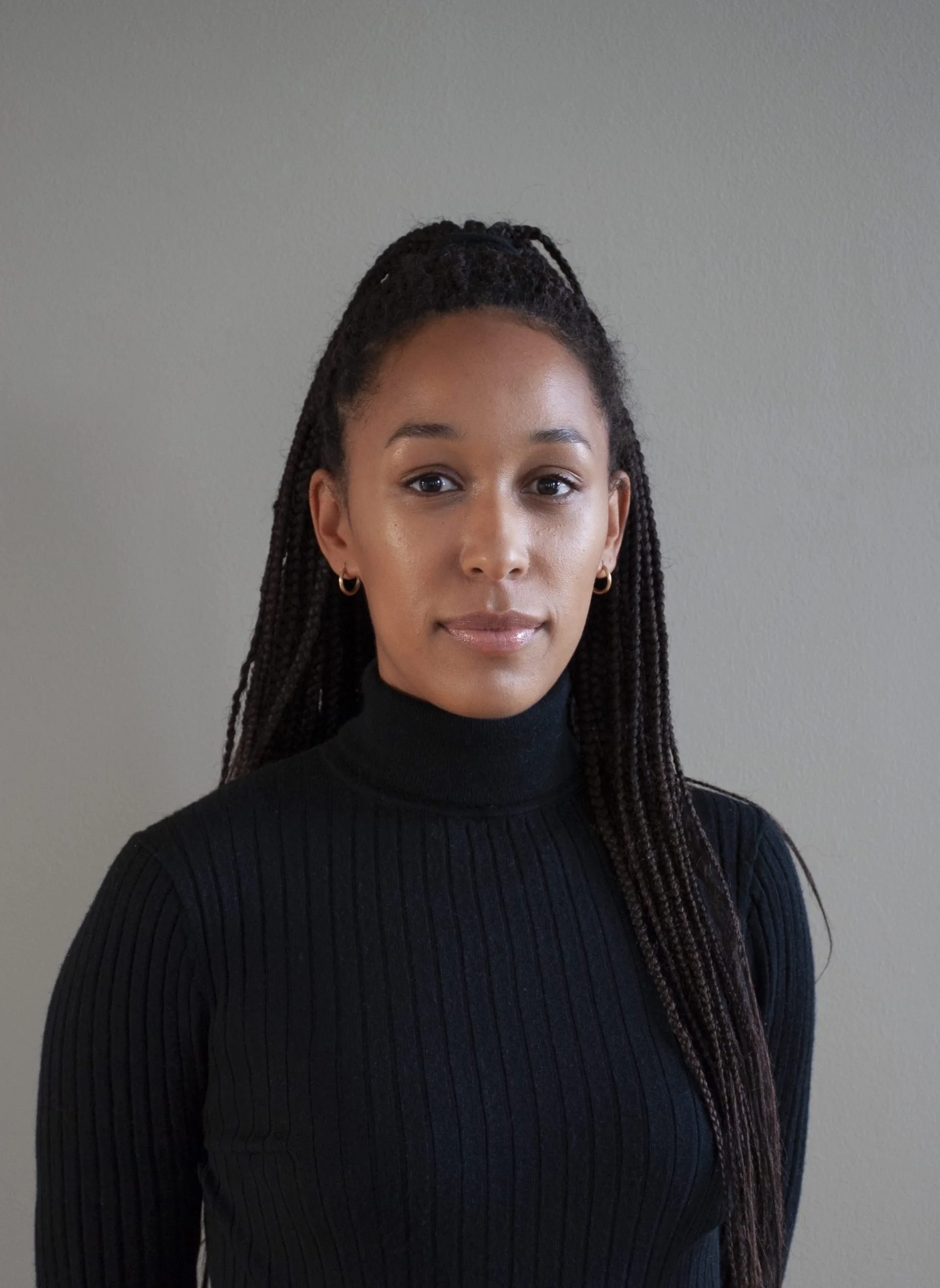
Nina Cramer is a Ph.D. candidate at the University of Copenhagen’s Department of Arts and Cultural Studies. Her research examines contemporary artistic practices and discourses of the African Diaspora in Denmark, drawing on frameworks from Black Studies and queer feminist art history. Her Ph.D. project is part of the research network The Art of Nordic Colonialism, which brings together scholars, curators, and artists working on art and visual culture related to Nordic colonial projects in the Caribbean, West Africa, India, Greenland, Iceland, and Sápmi. Since 2017 she has been a member of the collective Marronage, which uses a multitude of strategies to critique the ongoing effects of Danish coloniality.

-
Kayo Mpoyi combines image and text in his artistic practice. In her two novels, Mpoyi explores a rediscovery of distorted history and healing trauma through fiction. By weaving fictional narratives around objects in national and personal archives, Mpoyi strives to rediscover the past. Drawing is a way of letting the body decode. The graphics are a way to multi-plicate and repeat the drawing. Text and painting are a way of visualising the findings before the applicant starts over in the drawing. Mpoyi graduated in Fine Arts from the Royal Institute of Fine Arts. The Academy of Fine Arts this year.
-
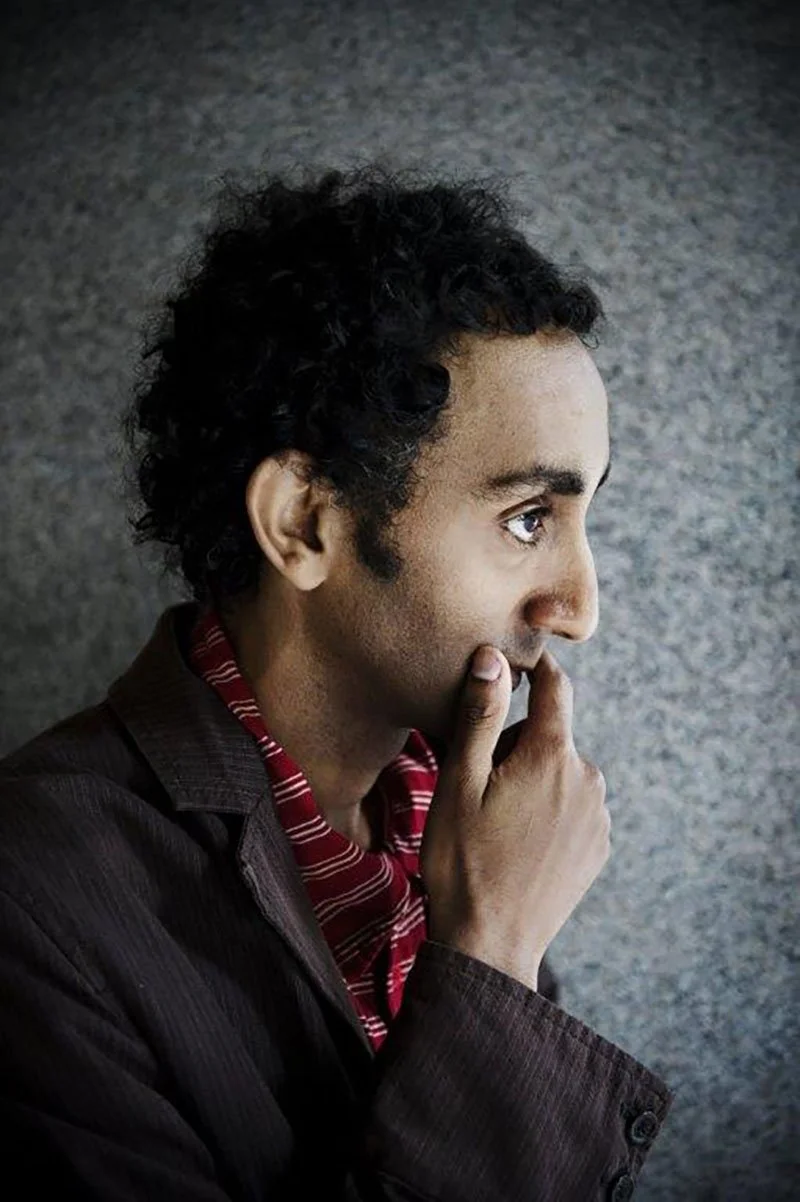
Sami Said was born in Keren, Eritrea, in 1979. He is an acclaimed writer who made his literary debut in 2012with the novel Väldigt sällan fin (Very Seldom Fine). He followed his debut with the novel Monomani(Monomania) in 2013.
In 2018, Said published his third novel, Människan är den vackraste staden (The Human is the Most Beautiful City). The book earned him a nomination for the prestigious 2019 Nordic Council Literature Prize.
-
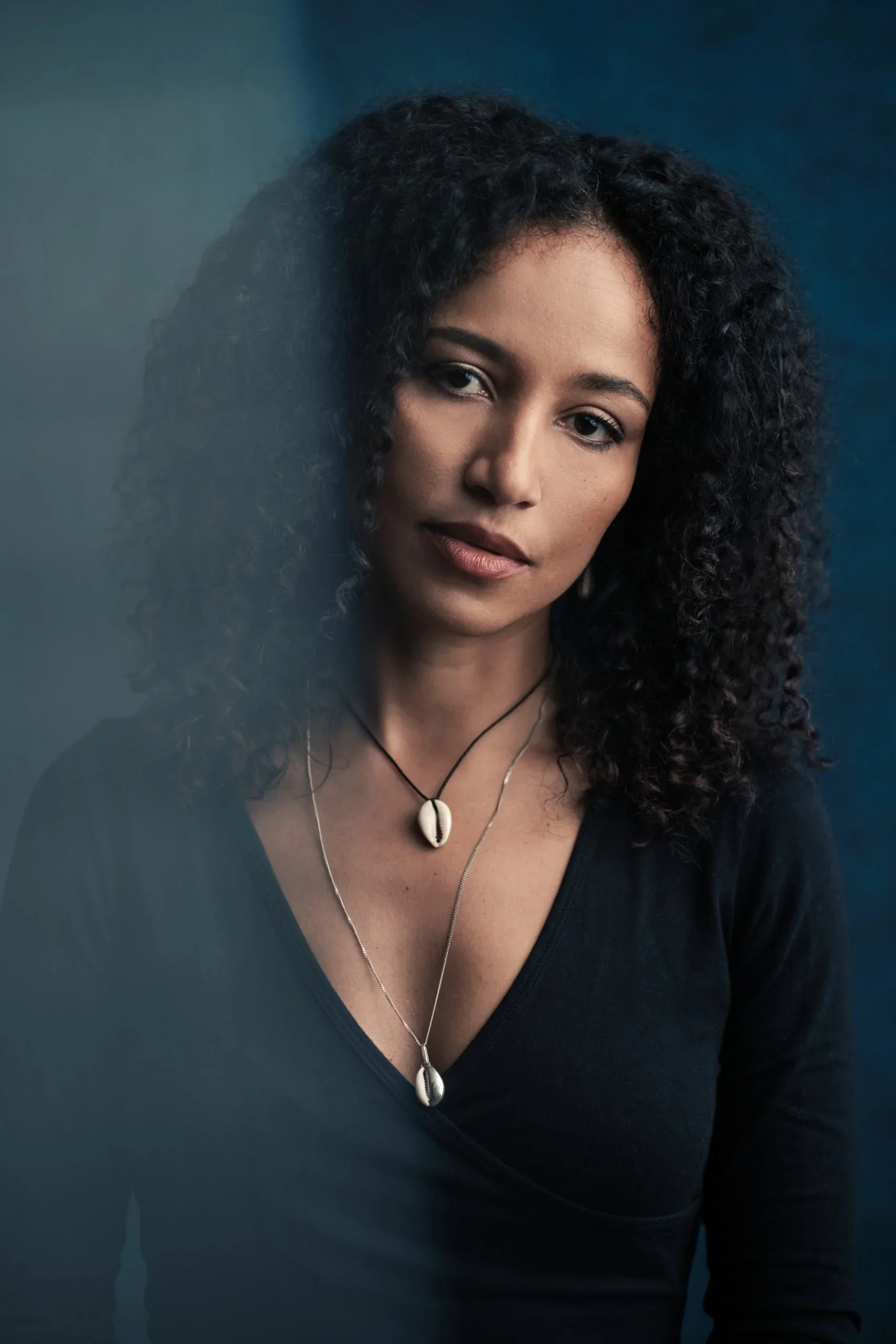
Minna Salami is an award-winning Nigerian-Finnish and Swedish author, thinker and programme director based in London.
She is the author of Can Feminism Be African?: A Most Paradoxical Question (HarperCollins, 2025) and Sensuous Knowledge: A Black Feminist Approach for Everyone (Bloomsbury, 2020), with her books translated into multiple languages and inspiring courses, lecture series and artistic work internationally.
Image: Allan Howard
-
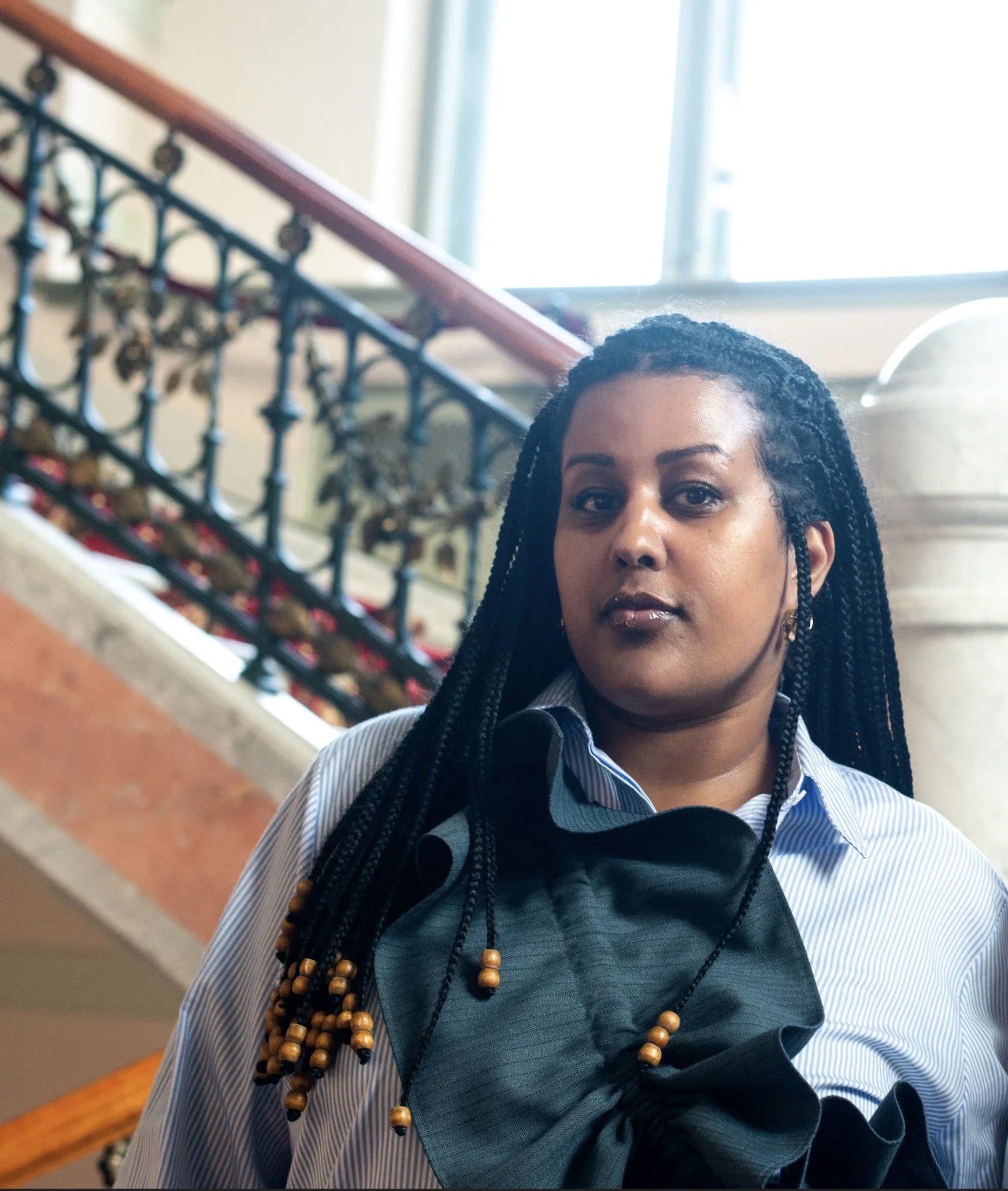
The nation state and language are central concepts in Makda Embaies practice. The works are expressed through sound, text, film, and installations. What happens when the art practices and tries living through the question of what language consists of? How can we practice language and other expressions as specific instead of language as a property of the nation state?
Recent works include "Making a mother out of Memory" (2026) in the group show Shifting Coordinates at Kunstnerforbundet in Oslo, the solo exhibition "Frukten Mognar" (2025) at Konsthallen Blå Stället in Gothenburg featuring the book and practice “Breaking bread and language”, as well as a presentation within The Latvian Collection at the Latvian Museum of Art with the sound installation If joy was the door, what would be the room? (2022/2025). Public commissions include I remember all of you (2024), developed in collaboration with Black Archives Sweden, and the light and sound installation Gravel scatters time (2023) for Gothenburg city.
Makda has studied at Konstfack, Biskop Arnös författarskola and has taken the post-master Decolonizing Architecture at the Royal Academy of Arts in Stockholm. In 2022 she received her master’s degree from the art academy at KHiO.
-
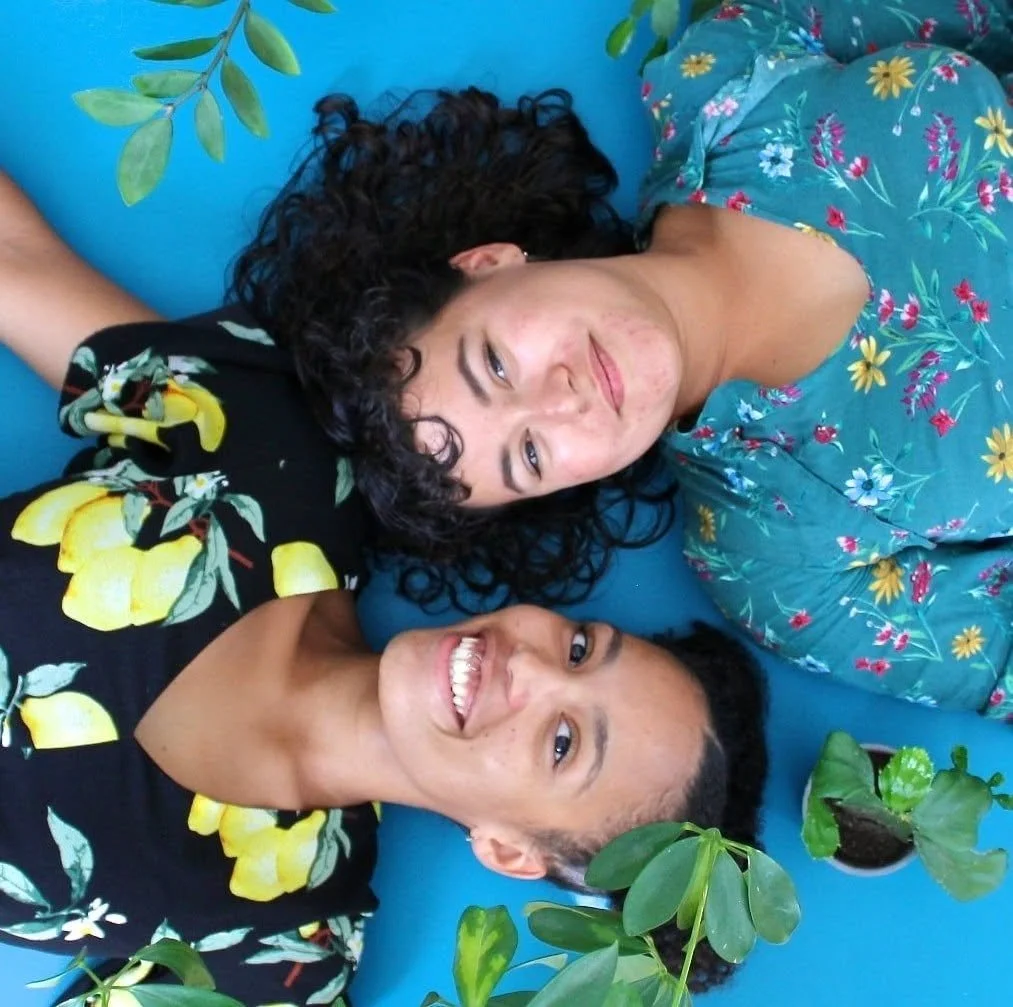
POC-lukupiiri is a Finnish literary organization and registered non-profit established in 2020 by founders Aracelis Correa and Téri Zambrano. The organization's primary mission is to increase the visibility of BIPOC (Black, Indigenous, and People of Color) authors within the Finnish literary landscape, provide meaningful representation for Black and Brown readers, and inspire audiences of all ages to read more diversely
-
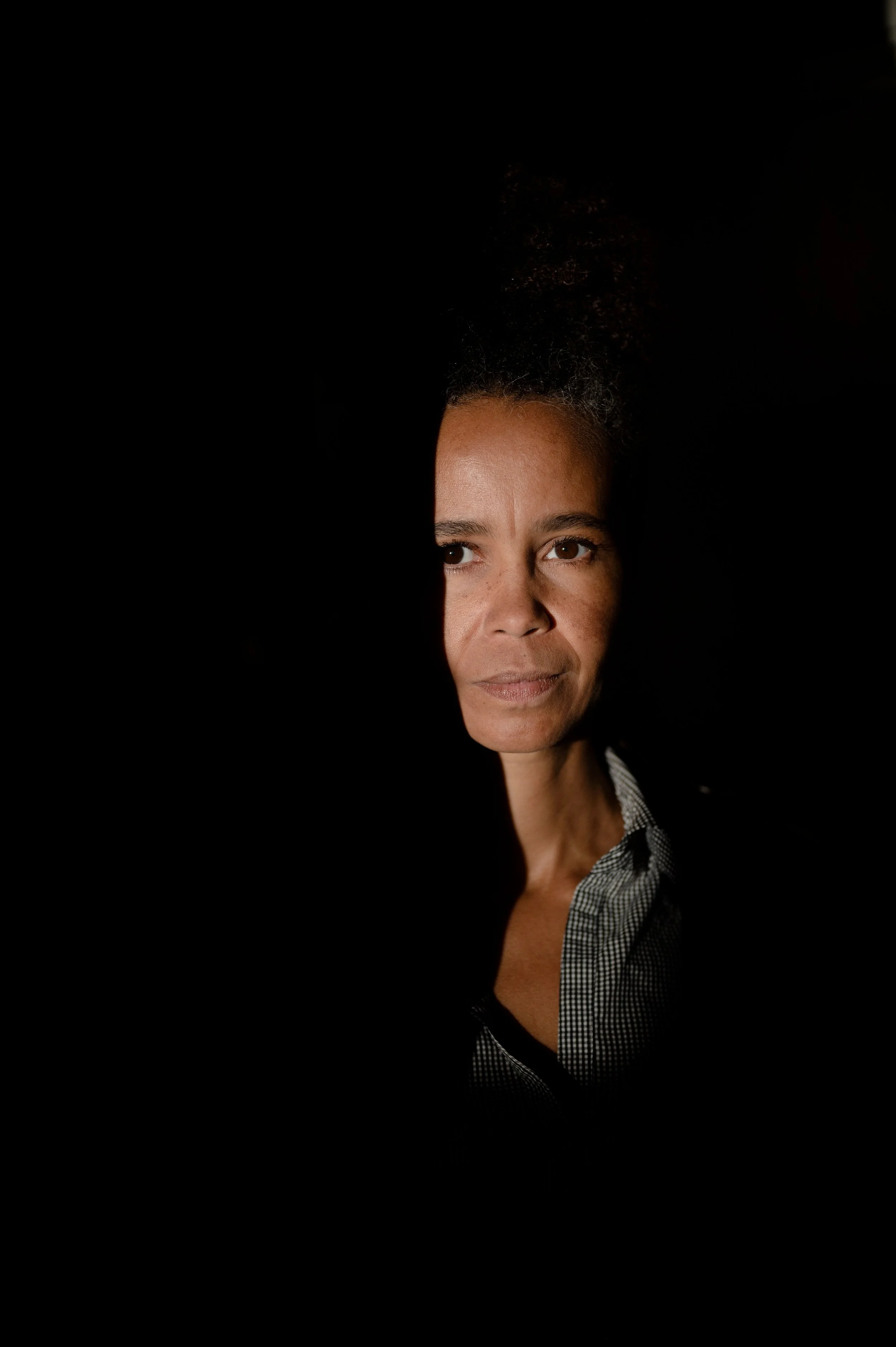
Guro Jabulisile Sibeko (b. 1975) is a Azanian-Norwegian teacher, author, spoken word artist and political activist. She has fought racism, homophobia and misogyny through art, public fury, and various organizations for three decades.
-
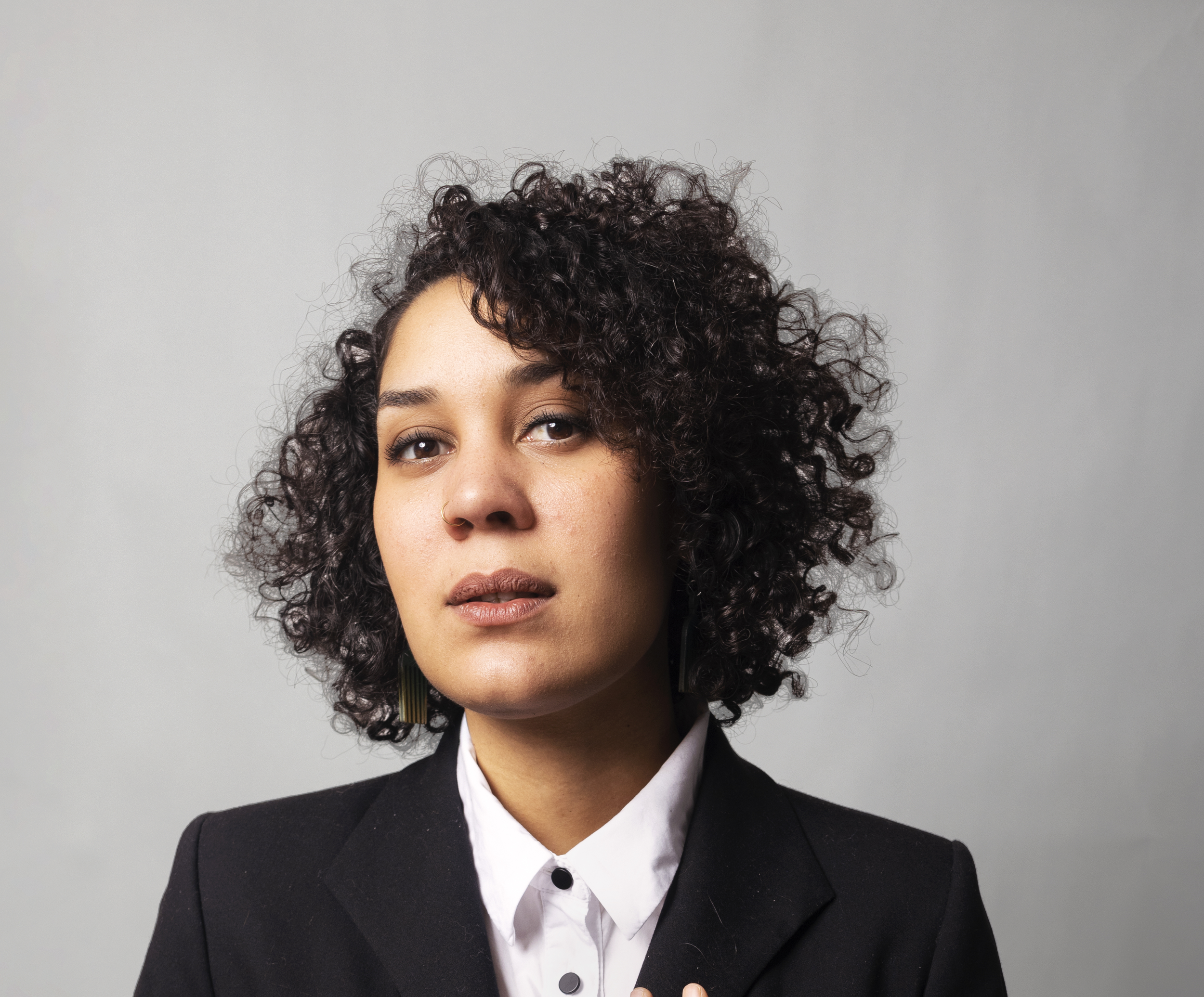
Camara Lundestad Joof (1988) is a Norwegian Gambian performance artist, playwright, and author. From 2020 to 2024, she was the playwright in residence at the National Theatre of Norway. Her debut book, I Talk about It All the Time (Eg snakkar om det heile tida, 2018), is an autobiographical essay on racism in Scandinavia.
-
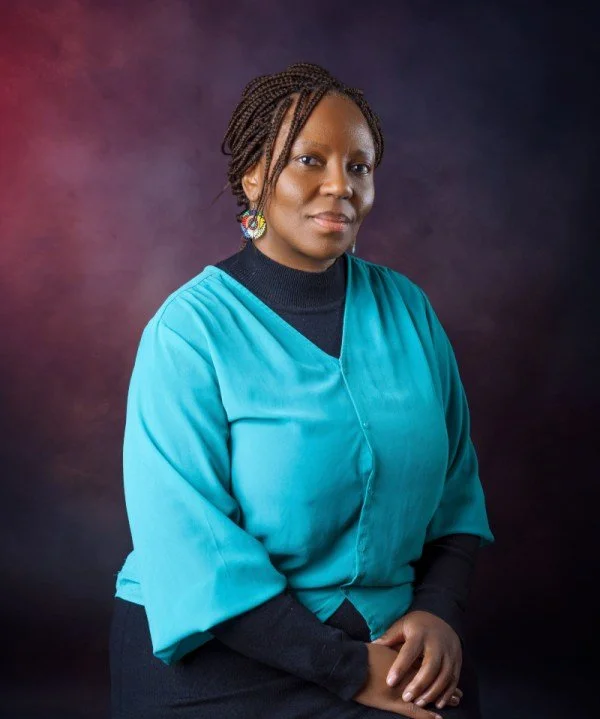
Khaya Ronkainen is a poet, novelist, writer, editor, and artisan author. Her work is shaped by personal history, cross-cultural experience, nature, language, and the many ways people carry home within and across borders. She is the author of three poetry collections: The Sheltering, From the Depths of Darkness, and Seasons Defined. Her poems, essays, articles, and reviews appear in international journals and platforms including Brittle Paper, Kalahari Review, Spillwords Press, LIT eZine, Navigating the Change, POC-lukupiiri, and more. Distorted Is The View, a tender and intricate family novel set in 1980s South Africa, explores love, silence, and the ways perspective distorts what we think we know.
Image: Femi Samuel Apanishile

-
Mai Takawira is an independent curator and researcher based in Copenhagen, Denmark. She holds an MA in Modern Culture from the University of Copenhagen and since 2017 has been a part of Marronage, a collective of intersectional feminists who bring forth narratives of resistance through editorial work, articles, events, and exhibitions. Often her work centers on experiences of Blackness in the Nordics, from the precarious to the politically potent, as well as African-Diasporic dialogues across time and space and the translation work it produces.